A Caregiver Kit: What to Keep Within Reach
Caregiver Essentials · Setting up · 5 min read
Caring for someone at home gets easier when the things you reach for twenty times a day live in one place. Not a cupboard in another room, and not a drawer that has to be rummaged through with one hand while the other is busy.
Start with where, not what
Pick the spot before you buy anything. It should be within arm reach of the chair or bed where care actually happens, at a height that does not require bending or a stretch, and it should not be somewhere a visitor will move things.
A single shallow box or a caddy beats a deep bag. If you have to take four things out to find the fifth, the kit stops getting used within a week.
The everyday layer
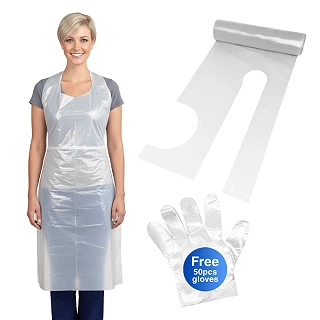
Gloves and aprons for mealtimes, washing and any spill. Wipes and a hand sanitiser. A small towel that is yours, not the household ones. A roll of bags for anything that needs to leave the room quickly.
Keep more than you think you need of the disposable items, because running out mid-task is what turns a calm five minutes into a difficult one. Buying these in bulk is one of the few places where bulk genuinely saves money and stress.
The medication layer
Medicines belong in their own container, separate from everything else, with a lid that closes properly. A box with compartments and a lid is far safer than a shelf of loose packets, and it travels to appointments as it is.
Keep the current list of what is taken, at what dose and when, inside the same box. Update it the day anything changes. Every clinician who sees the person will ask for it, and nobody remembers it accurately under pressure.
The mobile layer
If the person uses a walker or a rollator, some of the kit should travel with them. A bag that fixes under the seat keeps tissues, a drink, a phone and a set of keys with the person rather than in the room they just left.
This is also the practical answer to carrying things while both hands are on a frame, which is one of the more common ways a fall happens indoors.
What to check once a month
Restock the disposables before they run low. Check expiry dates on anything in the medicine box. Wipe the box out. Take thirty seconds to ask whether anything in the kit has stopped being used, and take it out if so.
A kit that is reviewed stays useful. A kit that is only added to becomes another drawer.
A starting list
- Disposable gloves and aprons, in quantity
- Wipes, hand sanitiser and a dedicated small towel
- A lidded medicine box with compartments
- A written, current medication list kept with it
- Bags for waste and laundry that leaves the room
- A bag or basket fixed to the walker or rollator
- A pen and a notebook for what changed today
What we stock for this
- CareGuard Disposable Aprons and Gloves — 50 aprons and 50 gloves, for mealtimes and personal care
- MedKeep Medicine Storage Box — lidded, compartmented, travels to appointments as it is
- CarryAll Rollator and Walker Bag — fits under the seat so both hands stay on the frame
Read next
General information for a home setting, not medical advice. If a fall, a wound or a change in health is involved, speak to a doctor or an occupational therapist.


